Guide
Yakudoshi: Japan's Unlucky Years and Yakuyoke Charms
In Japan certain ages are traditionally thought of as unlucky years (yakudoshi). This guide explains which ages they are, how they are counted, and the custom of carrying a yakuyoke (misfortune protection) charm.
Which ages are yakudoshi?
| Unlucky years (commonly listed) | Great unlucky year | |
|---|---|---|
| Men | 25, 42, 61 | 42 |
| Women | 19, 33, 37 (61 at many places) | 33 |
The year before an unlucky year is called mae-yaku and the year after ato-yaku, so many people take care for three years in a row. The lists differ slightly between temples and shrines.
How the ages are counted
Yakudoshi traditionally use kazoedoshi, the old Japanese way of counting age: you are one at birth and gain a year every January 1. In practice it is usually your age on your birthday this year plus one.
The yakuyoke custom
People often visit a temple or shrine around the New Year or before the spring equinox for a yakuyoke prayer. Kawasaki Daishi, near Tokyo, is one of the best-known temples for this, and draws large crowds in the first weeks of the year. A yakuyoke charm is then carried through the year.
The yakuyoke charms we carry
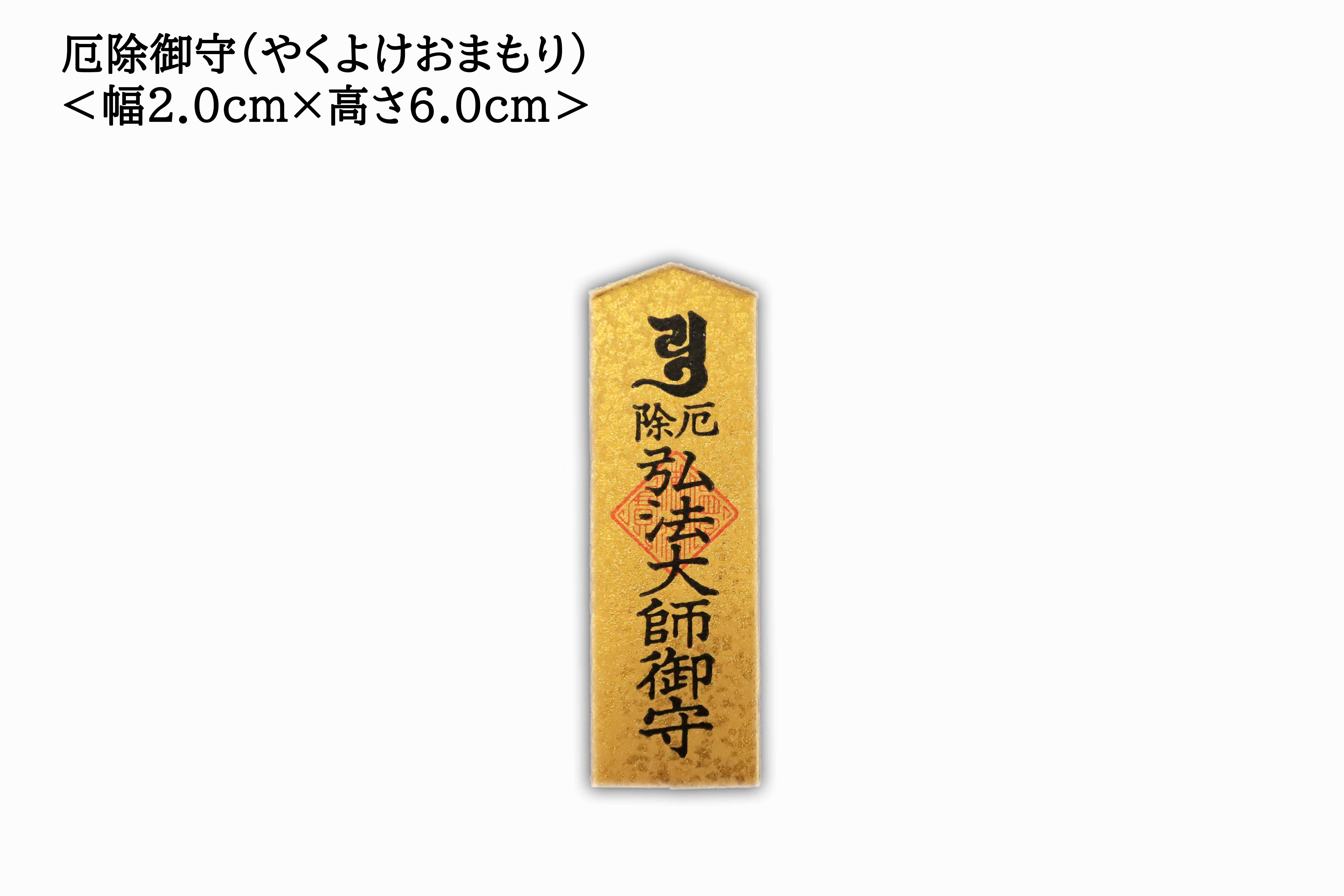
- Misfortune Protection Charm (Yakuyoke) (厄除御守) from Kawasaki Daishi Temple — In Japan, certain ages are traditionally considered unlucky years (厄年, yakudoshi). Many people visit Kawasaki Daishi in those years, and this charm is carried as a wish to be kept from misfortune.
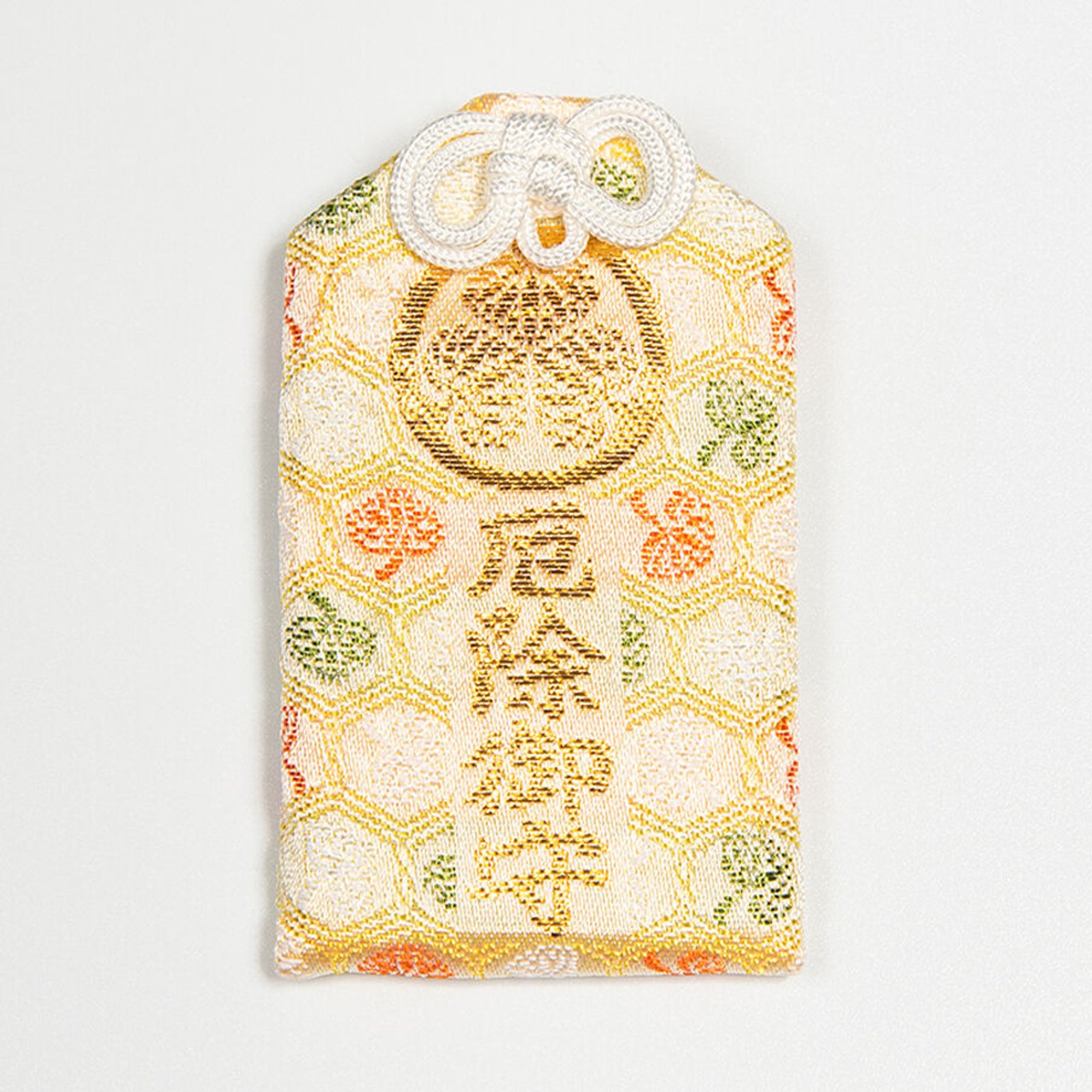
- Misfortune Protection Charm (厄除御守) from Zojoji Temple — A charm carried as a wish to be spared misfortunes of many kinds. Anyone can carry it; it is not only for people in an unlucky year.
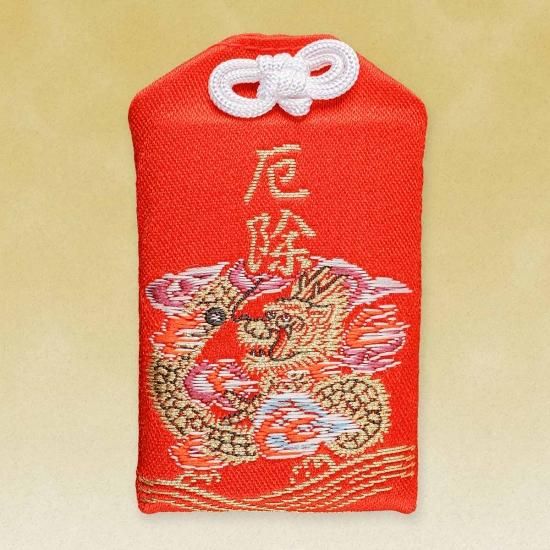
- Misfortune Protection Charm (厄除守) from Sensoji Temple — In Japan certain ages are traditionally considered unlucky, and people often seek out a protective charm in the year before, during and after them. This charm is also carried by anyone who simply wants to avoid trouble.
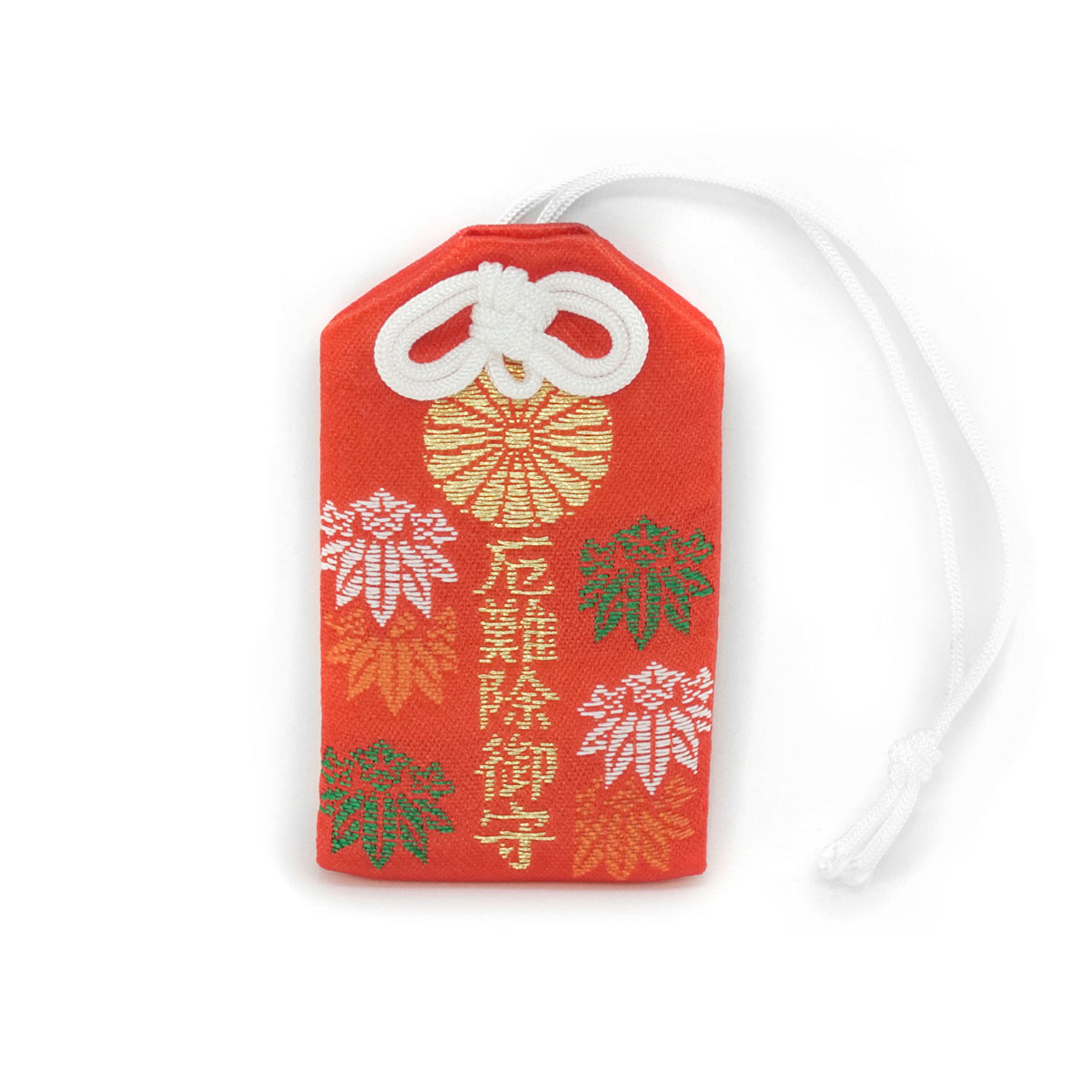
- Misfortune Protection Charm (厄除御守) from Omiya Hachimangu Shrine — A charm to ward off misfortune, in red or blue. In Japan certain ages are traditionally considered unlucky (yakudoshi), and the shrine notes that this charm is also for those years.
How a yakuyoke charm is kept
A yakuyoke charm is usually carried every day — in a bag, wallet or pocket. A family member in an unlucky year is a common reason to give one as a gift.
Traditionally an omamori is kept closed — opening it is thought to undo its purpose. Most people carry it in a bag, pocket or wallet, or keep it somewhere clean at home.
In Japan it is common, though not required, to return an omamori to a shrine or temple (not necessarily the same one) after about a year and receive a new one.
See also: how to keep and return an omamori.
Ordering from outside Japan
Tokyo Omamori Post is an independent shop, not affiliated with any temple or shrine. We obtain the charms in Japan and ship them from Tokyo. On this site these charms are $26 each, with shipping free on 3 or more charms. See shipping & duties.
FAQ
What is a yakudoshi?
Yakudoshi (厄年) are ages traditionally considered unlucky in Japan. Many people visit a temple or shrine during these years for a yakuyoke (厄除け) prayer to ward off misfortune, and carry a protective charm.
What are the unlucky ages?
The ages most often listed are 25, 42 and 61 for men, and 19, 33 and 37 for women, with 61 also listed for women at many places. 42 for men and 33 for women are the "great" unlucky years (taiyaku). They are counted in the traditional way (kazoedoshi), which is usually one year more than your age on your birthday this year.
Can someone who is not in an unlucky year carry a yakuyoke charm?
Yes. A yakuyoke charm is a general charm for warding off misfortune, and anyone can carry one.
Do I have to visit a temple?
No. Visiting for a prayer is a custom, not a requirement, and a charm can be carried on its own. It is a traditional way of carrying a wish, not a promise of any result.
Tokyo Omamori Post is an independent shop and is not affiliated with, endorsed by, or acting on behalf of any temple or shrine. Temple and shrine names are used only to tell you where each charm was obtained.