Guide · 御朱印
Goshuin: How People in Japan Collect Temple and Shrine Seals
A goshuin is a handwritten seal from a Japanese temple or shrine, collected in a folding book called a goshuincho. This guide explains what a goshuin is, how people in Japan collect them, and how to ask for one on your own visit.
What is written on a goshuin
Each goshuin is made by hand, so no two are quite alike. A typical one has:
- Red stamps (朱印, shuin) — the seal of the temple or shrine, often with a smaller stamp of its crest or a sacred motif.
- Brush calligraphy in black ink — usually the name of the temple or shrine and the Buddha or deity enshrined there.
- The date of your visit.
Goshuin are often said to have begun as receipts given to pilgrims who offered a hand-copied sutra to a temple. Today they are a record of a visit to worship rather than a souvenir, which is why it is customary to pray first.
How people in Japan collect goshuin
For many people in Japan, collecting goshuin is a gentle hobby that grew in popularity over the past couple of decades. A few common patterns:
- One book, many trips. People start a book and fill it over years, so it becomes a diary of the places they have visited.
- Pilgrimage routes. Some follow a set route — for example a circuit of temples dedicated to Kannon, or the seven lucky gods of a neighbourhood at the New Year — and collect a seal at each stop.
- A temple's own book first. Many temples and shrines sell their own goshuincho, and people often buy one at a place they like and receive that temple's seal on the first page.
- Seasonal and special seals. Some temples and shrines offer goshuin with seasonal designs or for festivals, which draws repeat visits.
How to ask for a goshuin
- Worship first. Visit the main hall and pray before asking for a seal.
- Find the office. Goshuin are given at the temple or shrine office, often the same counter that offers charms (juyosho or nōkyōsho). Signs may say 御朱印.
- Hand over your book open to the next blank page. Remove any plastic cover. You may be given a number and asked to wait.
- Make the offering. There is a set offering (hatsuhoryō), usually a modest amount; small change is appreciated.
- Collect your book. Let the ink dry before closing it if you can.
At busy times, such as the New Year, some places give pre-written seals on a sheet of paper (kakioki) instead of writing in your book. You can paste the sheet into your goshuincho later.
Etiquette worth knowing
- Treat the book with care, as people in Japan do — it holds records of visits to sacred places.
- Ask for a goshuin, rather than expecting one; a few temples do not offer them.
- Opening hours for goshuin are often shorter than the temple grounds; arrive with time to spare.
- Photographs of the writing in progress are usually best avoided unless you ask.
Starting a goshuincho before your trip
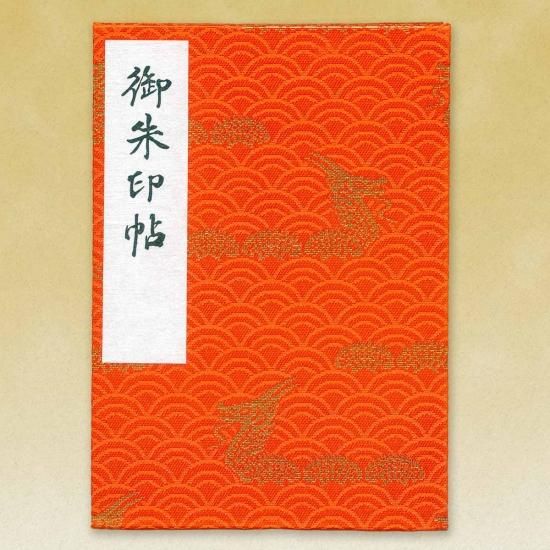
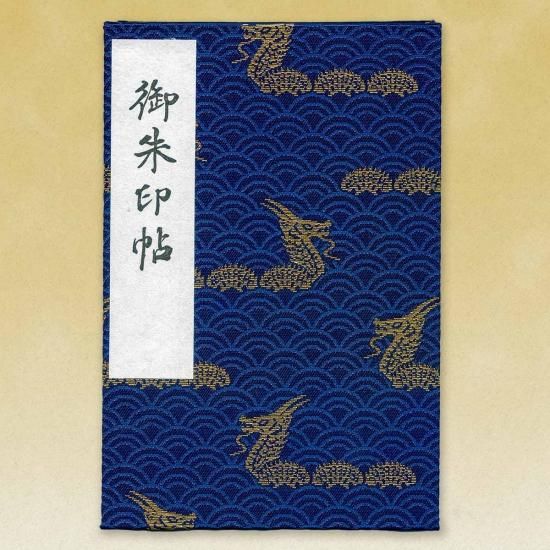
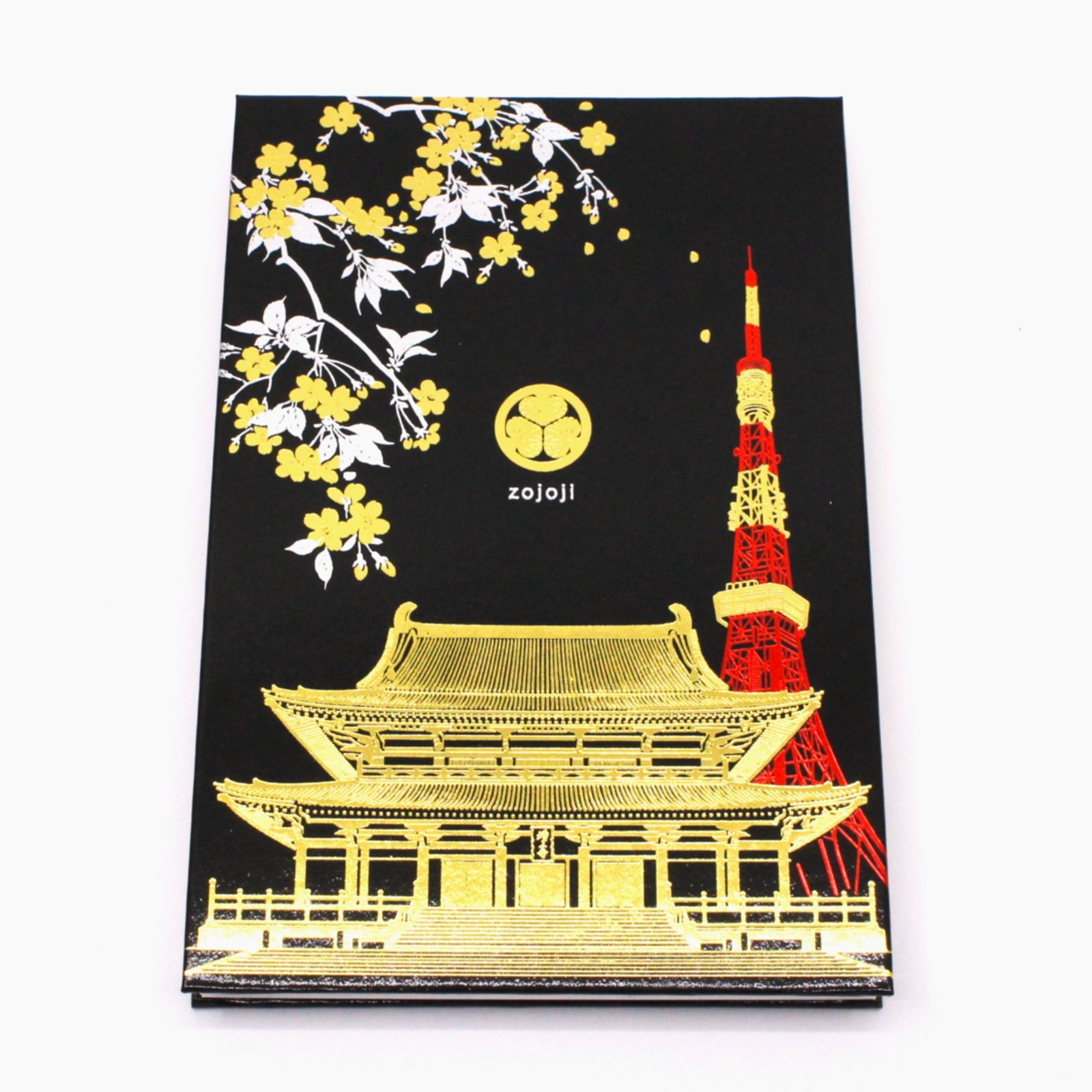
You can buy a goshuincho at many temples and shrines in Japan, but some people like to have one ready before they arrive. We carry goshuincho from Sensoji and Zojoji in Tokyo. They ship from Tokyo with your charms, $8 per order and free on 3 or more items — see goshuin books and shipping & duties.
FAQ
What is a goshuin?
A goshuin (御朱印) is a seal that a temple or shrine writes and stamps for a visitor: a red stamp (shuin) with brush calligraphy that usually gives the name of the temple or shrine, the deity or Buddha enshrined there, and the date of the visit.
What is a goshuincho?
A goshuincho (御朱印帳) is the folding book that goshuin are written in. It opens like an accordion, so seals can be written on both sides of each page.
Is a goshuin the same as a tourist stamp?
No. Stations and sights in Japan often have free rubber stamps for visitors. A goshuin is different: it is written by hand at a temple or shrine as a record of a visit to worship, and it is customary to pay a small offering for it.
Can I get goshuin as a foreign visitor?
Yes, at most temples and shrines that offer them. You do not need to speak Japanese — handing over your book opened to a blank page is usually enough. A few temples, including those of some Buddhist schools, do not offer goshuin.
Can temple seals and shrine seals go in the same book?
Many people keep both in one book. Others prefer separate books for temples and shrines, and occasionally a temple or shrine may prefer this too. There is no single rule.
See also: how to keep and return an omamori · all guides.
Tokyo Omamori Post is an independent shop and is not affiliated with, endorsed by, or acting on behalf of any temple or shrine.