Kawasaki Daishi Temple · Health
Stroking Charm (Nade Mamori)
なで御守
$26 USD
US duties included · free tracked shipping on 3 or more charms, mix and match · also shipping to Australia and Singapore (see Shipping)
Standard — Japan Post, tracked (about 3 weeks), $8 (free on 3+)
A charm you gently stroke while wishing for good health.
Guide: choosing an omamori as a gift →
Tokyo Omamori Post is an independent shop, not affiliated with or endorsed by Kawasaki Daishi Temple. The temple name shows where each charm was obtained.
- Obtained after you order — leaves Tokyo in about 1 week. Tracked airmail, typically United States: about 3 weeks · Australia: about 2 to 3 weeks · Singapore: about 1 to 2 weeks.
- Import duties — United States: included · Australia: none expected · Singapore: none expected.
- Arrived damaged or not what you ordered? We send a replacement or refund it, with no need to send it back. Charms are religious items, so we do not take returns for a change of mind. Terms · Shipping
- What it means
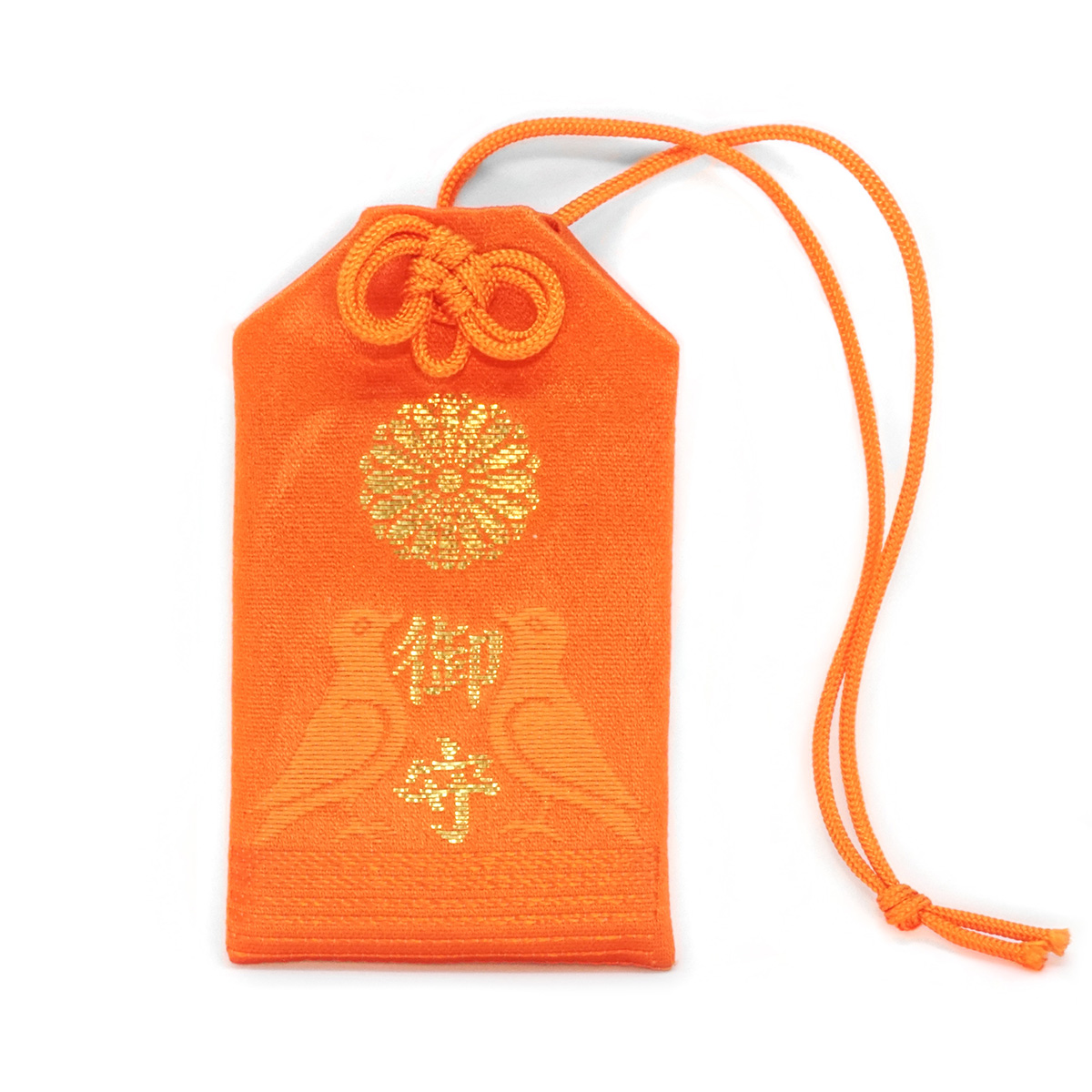
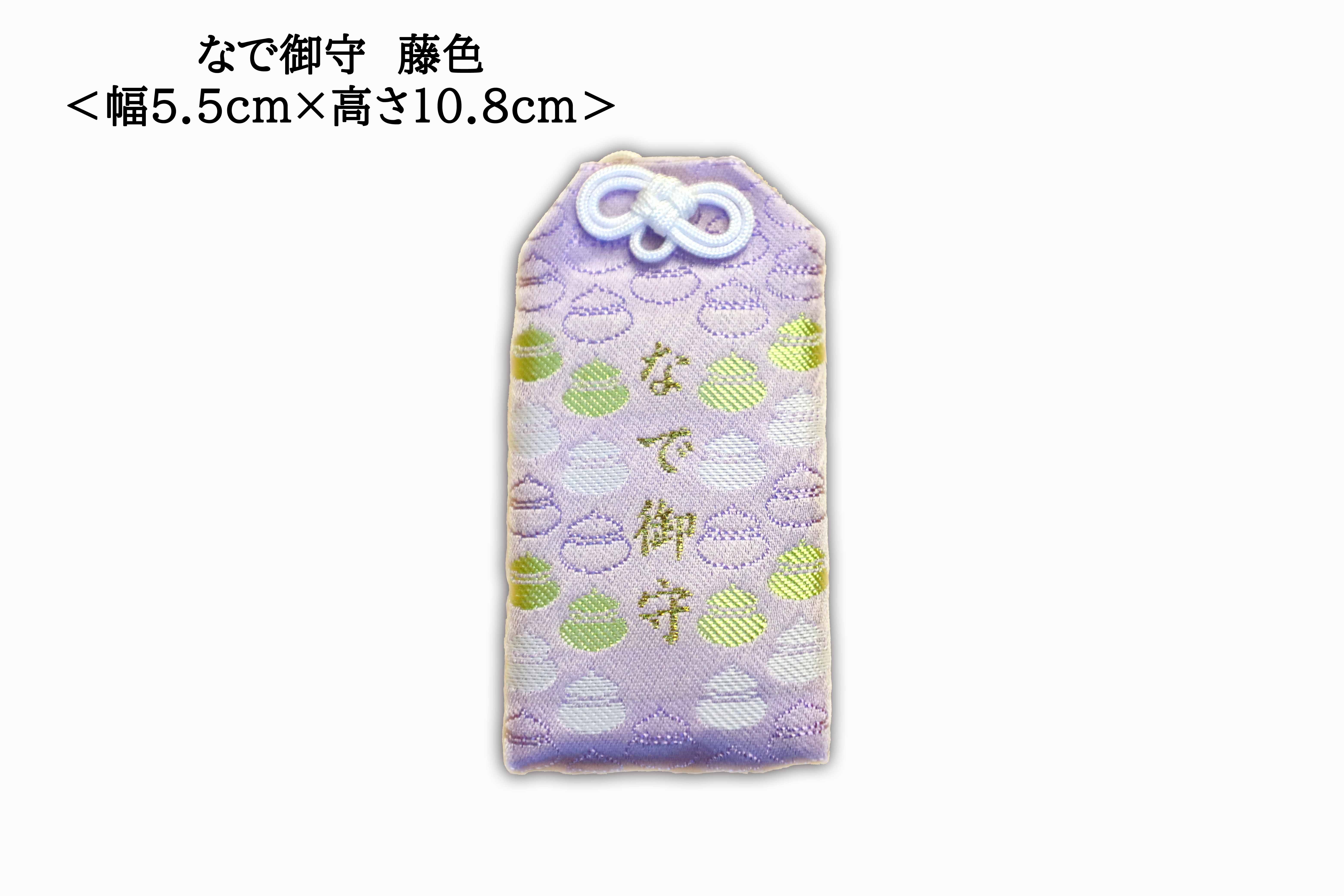
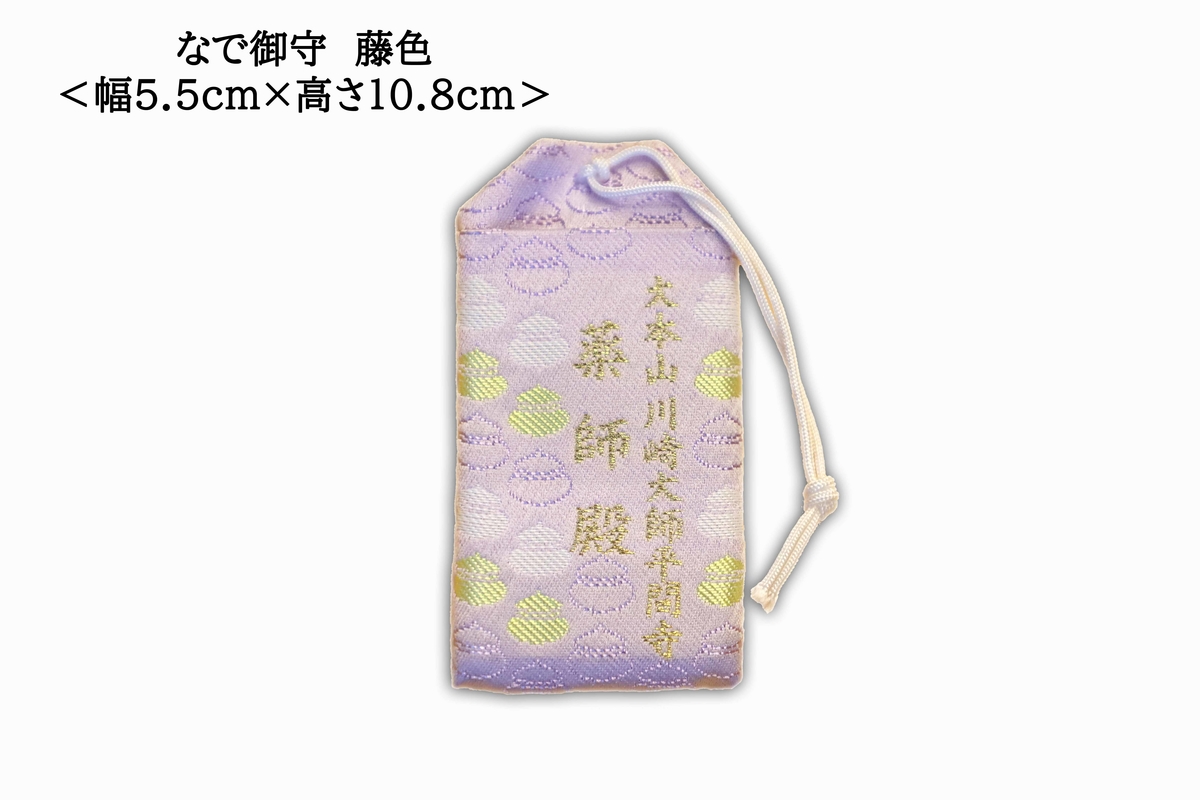
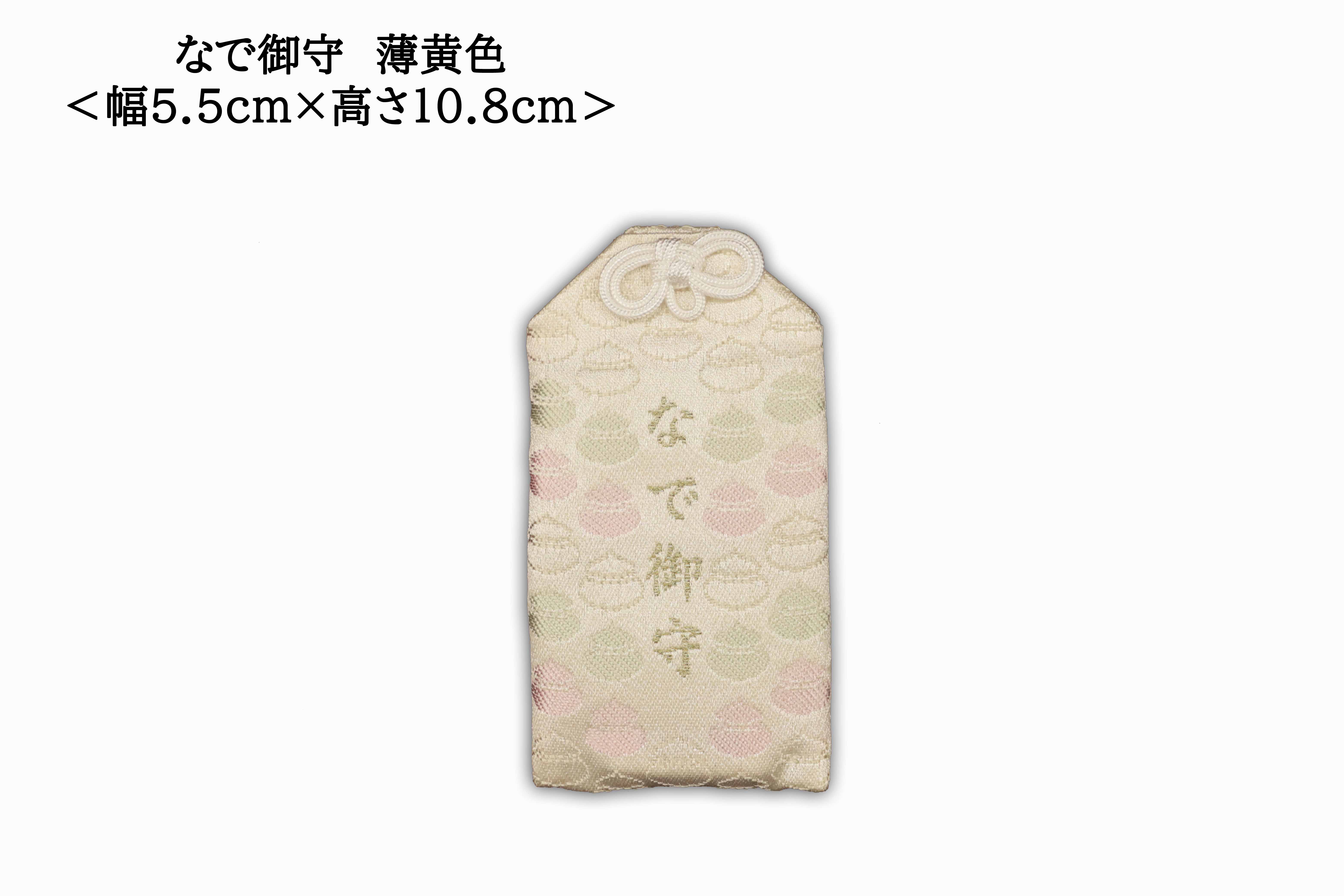
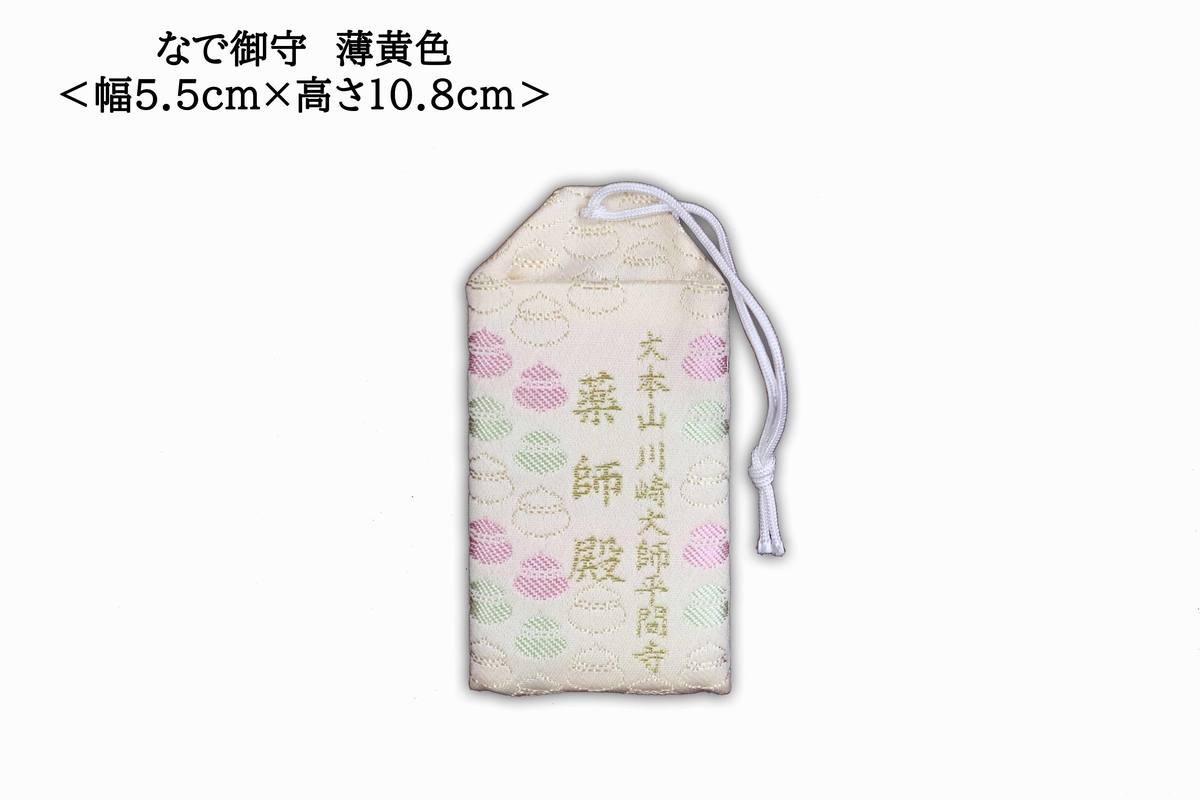
A “stroking charm.” The temple’s instructions: while you quietly say the name of Kōbō Daishi (Namu Daishi Henjō Kongō) and the mantra of Yakushi Nyorai, you stroke the part of your body that aches or worries you, as a wish for good health. It comes in wisteria purple and pale yellow.
About 5.5 × 10.8 cm. A thoughtful gift for someone with a stiff shoulder, a sore knee or a long illness.
- Where it's from
Ordered from the official online 授与所 (charm office) of Kawasaki Daishi Temple (川崎大師), Kawasaki, Kanagawa — just across the river from Tokyo.
- How it's traditionally kept
Traditionally an omamori is kept closed — opening it is thought to undo its purpose. Most people carry it in a bag, pocket or wallet, or keep it somewhere clean at home.
In Japan it is common, though not required, to return an omamori to a shrine or temple (not necessarily the same one) after about a year and receive a new one.
- Delivery
- Ships from Tokyo in about 1 week.
Pairs well with